

Haiti Remote and Hybrid Early Learning Program for Conflict-Affected Families (RHELP)
[2025-2026]
Project Overview
The Remote and Hybrid Early Learning Program (RHELP) for Conflict-Affected Families in Haiti is a partnership between NYU Global TIES for Children, the Inter-American Development Bank, and GHESKIO in Haiti to test a remote early learning model for young children in hard-to-access settings.
The project builds on evidence from a remote early learning program previously evaluated by Global TIES and partners in the Middle East. In Haiti, the program is being adapted to respond to the realities facing young children and families amid ongoing insecurity, service disruption, and limited access to early childhood education.
Through this work, Global TIES aims to generate actionable evidence on whether and how remote early learning models can support children’s learning, development, and school readiness when in-person services are difficult to deliver consistently.
-
Haiti’s ongoing political instability, insecurity, and economic crisis have severely disrupted children’s access to early learning opportunities and family support services. These conditions make it difficult for many young children to benefit from consistent, high-quality early childhood programming during a critical period of development.
Remote and hybrid models offer one possible way to reach children and caregivers when center- or school-based services are interrupted or inaccessible. However, more evidence is needed on how these models can be adapted effectively across contexts, implemented through local systems, and used to support children’s holistic development.
-
The Haiti Remote Early Learning Program seeks to:
Adapt a remote early learning model for young children and families in Haiti.
Test the feasibility and promise of delivering early learning support in a context affected by crisis and disruption.
Generate evidence on children’s learning and developmental outcomes, as well as caregiver engagement and implementation quality.
Inform future efforts to expand access to early childhood development and education in hard-to-access and crisis-affected settings.
-
The project adapts a remote early learning model previously implemented and evaluated in the Middle East for use in Haiti. The model is designed to support young children’s learning through structured activities, caregiver guidance, and developmentally appropriate engagement that can be delivered outside of traditional classroom settings.
Global TIES is working with partners to support program adaptation, implementation, and evaluation. The research will examine both implementation processes and child and family outcomes, with attention to what is feasible, acceptable, and useful for families and local partners in Haiti.
By studying this model in Haiti, the project contributes to a broader evidence base on how early childhood programs can reach children and caregivers during periods of instability, displacement, or limited access to in-person services.
Featured News & Publications

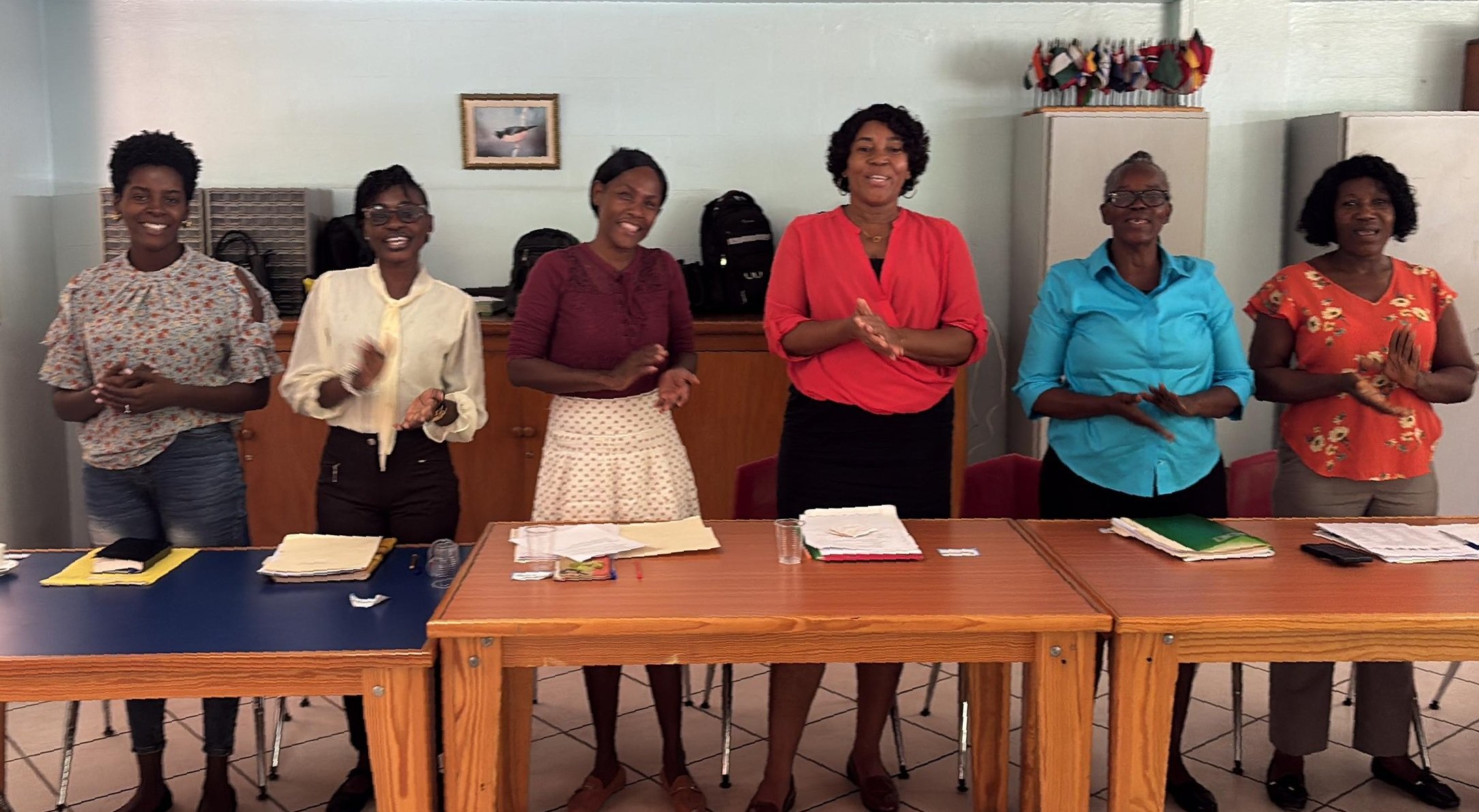
NYU Global TIES for Children Project Team
-
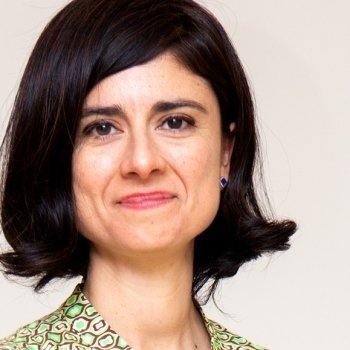
Florencia Lopez Boo
Principal Investigator, TIES Director, and University Professor
-

Kate Schwartz
Clinical Assistant Professor and Senior Research Scientist
-

Carolina Rivas Herrera
Senior Research Associate
-

Lizzie Goodfriend
Director, Project Management & External Relations
-

Leah de Vries
Grants & Operations Manager
Partners & Funders

GHESKIO
Partner
MIT / J-PAL
Funder
FAES
Partner

Inter-American Development Bank
Partner & Funder