

Latest Resources
Browse or Search Our Resources
Use the search bar to search our archives for available resources. You can search by a wide range of terms, including author, subject, country, region, potential content, or resource type (such as “brief” or “chapter”).
Featured Resources

The award recognizes his pioneering research on the ways public policies and programs, particularly in early childhood and immigration, shape human development.


Professor Lawrence Aber, former Co-Director of NYU Global TIES for Children, received an award for Distinguished Contributions to Understanding International, Cultural, and Contextual Diversity in Child Development at the 2025 SRCD Biennial Meeting.
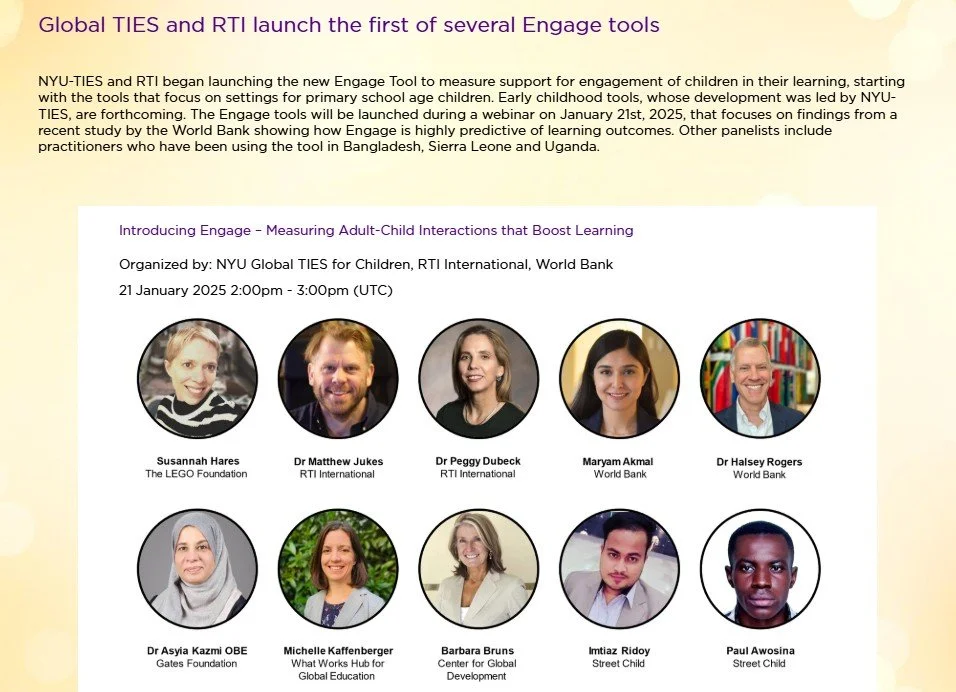
NYU-TIES and RTI began launching the new Engage Tool to measure support for engagement of children in their learning, starting with the tools that focus on settings for primary school age children. Early childhood tools, whose development was led by NYU-TIES, are forthcoming. The Engage tools will be launched during a webinar on January 21st, 2025, that focuses on findings from a recent study by the World Bank showing how Engage is highly predictive of learning outcomes. Other panelists include practitioners who have been using the tool in Bangladesh, Sierra Leone and Uganda.

Building on the evidence from the first paper in this Series highlighting the fundamental importance of healthy and nurturing environments for children's growth and development in the next 1000 days (ages 2–5 years), this paper summarises the benefits and costs of key strategies to support children's development in this age range. The next 1000 days build on the family-based and health-sector based interventions provided in the first 1000 days and require broader multisectoral programming. Interventions that have been shown to be particularly effective in this age range are the provision of early childhood care and education (ECCE), parenting interventions, and cash transfers. We show that a minimum package of 1 year of ECCE for all children would cost on average less than 0·15% of low-income and middle-income countries' current gross domestic product. The societal cost of not implementing this package at a national and global level (ie, the cost of inaction) is large, with an estimated forgone benefit of 8–19 times the cost of investing in ECCE. We discuss implications of the overall evidence presented in this Series for policy and practice, highlighting the potential of ECCE programming in the next 1000 days as an intervention itself, as well as a platform to deliver developmental screening, growth monitoring, and additional locally required interventions. Providing nurturing care during this period is crucial for maintaining and further boosting children's progress in the first 1000 days, and to allow children to reach optimal developmental trajectories from a socioecological life-course perspective.
🔗 Read more here: https://doi.org/10.1016/S0140-6736(24)01390-4


Latest News & Publications


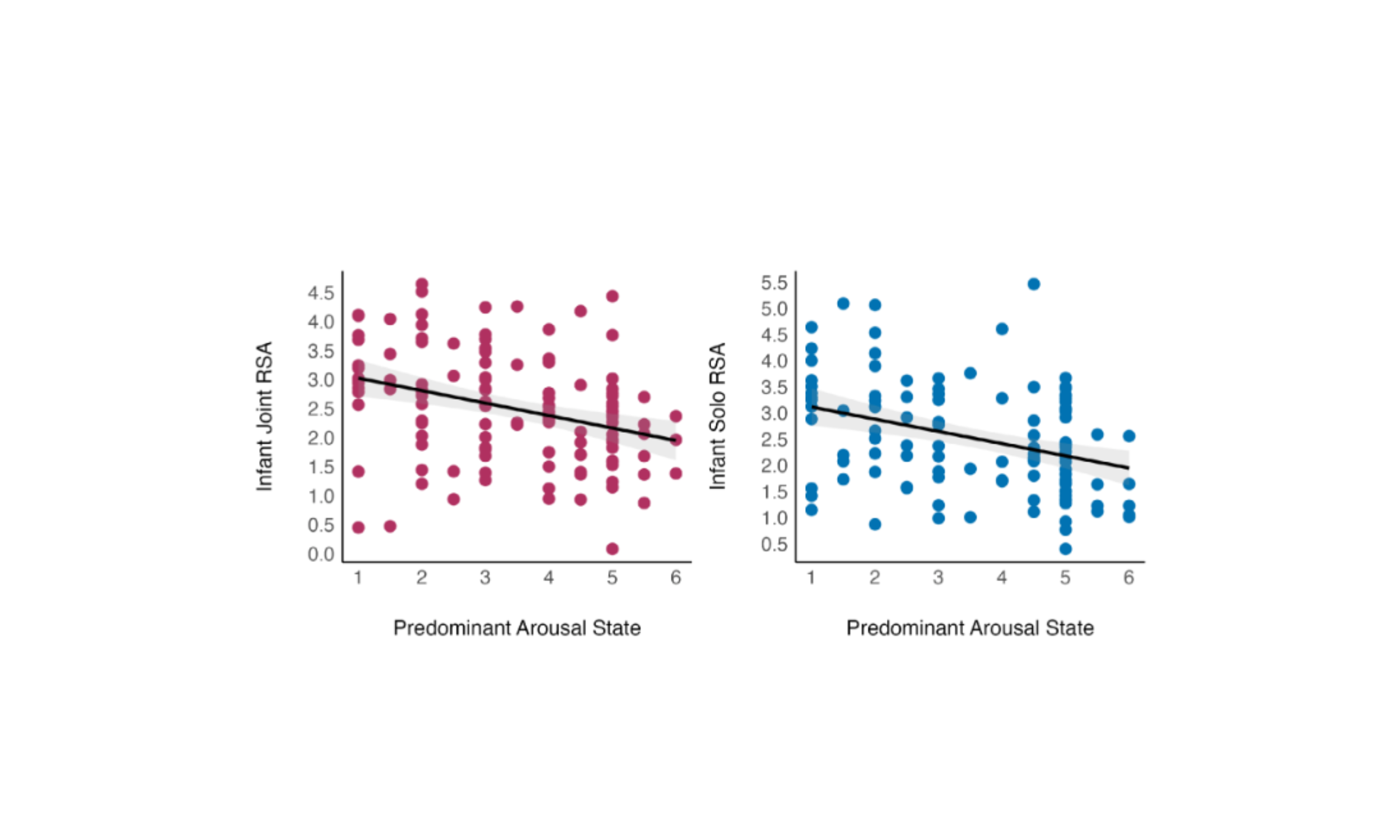
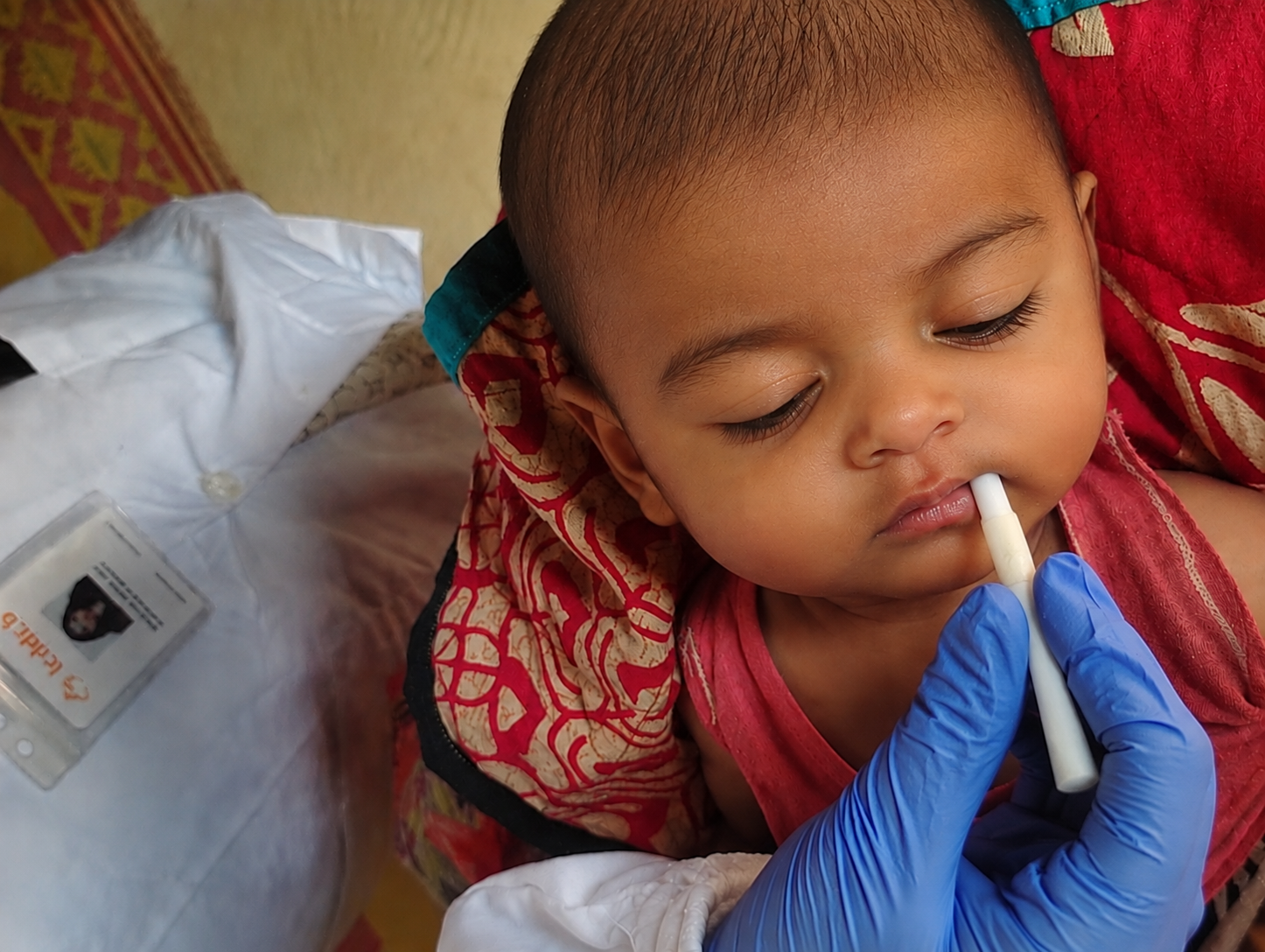
NYU Global TIES research findings were presented at ICIS 2026 on how maternal trauma may become biologically embedded in newborns.
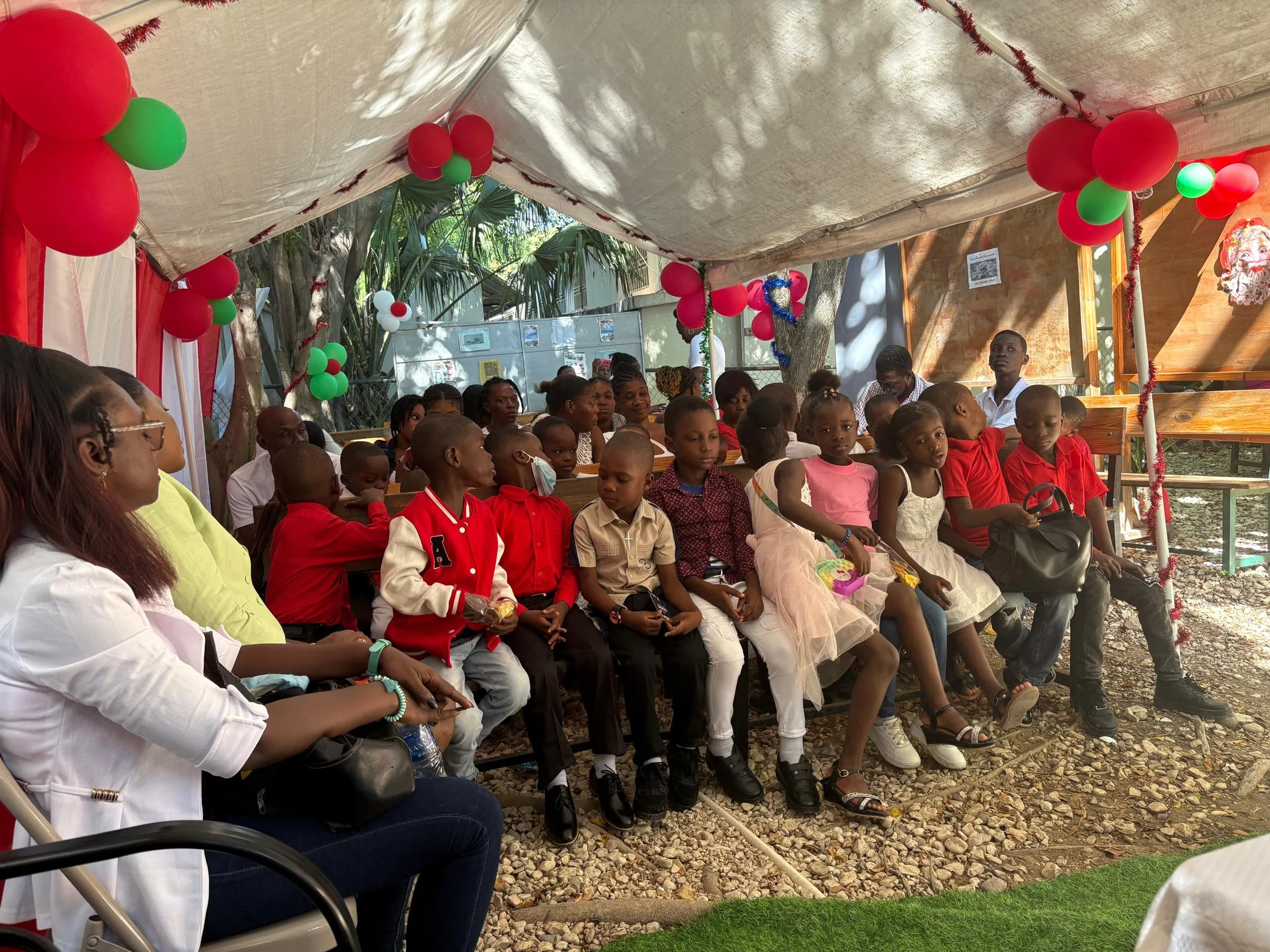
A pilot of two hybrid preschool models in Haiti suggests pathways for learning amid conflict.


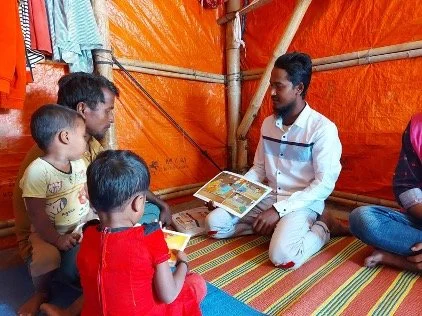
A recent study finds that a father engagement program improves parenting, family relationships, and children's wellbeing in Rohingya camps.

Our local partner, GHESKIO officially marked the completion of the RHELP pilot program with a heartwarming and impactful closing ceremony!
This milestone is a testament to what can be achieved when innovation meets unwavering community dedication. Our partners at GHESKIO gathered to celebrate the educators, families, and young learners who made this journey possible.
Faced with ongoing political instability and severe disruptions to traditional schooling, this program successfully adapted a phone- and hybrid-based learning model to meet families exactly where they are. Over the course of the project, we didn’t just keep education going, we watched parents step into their power as primary learning guides, and we saw young children maintain critical developmental milestones despite prolonged crises.
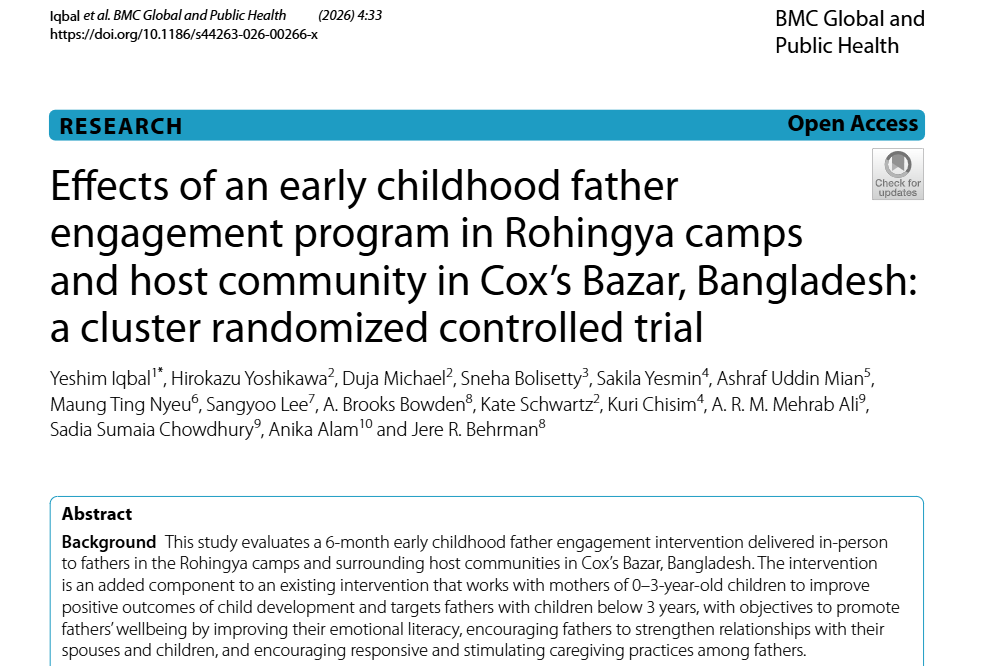
We’re pleased to share a recently released journal article on our study about father engagement and early childhood development in humanitarian settings, based on work in the Rohingya camps in Cox’s Bazar, Bangladesh.
This study examined how fathers interact with their young children in contexts of displacement and what happens when programs intentionally include them in parenting support.
Key findings include:
Increased father engagement in play and interactions with young children
Shifts in caregiving practices, including more responsive and supportive behaviors
Reductions in harsh child discipline among participating fathers
Evidence that fathers - often overlooked in ECD programming - can be meaningfully reached and engaged, even in highly constrained settings
Taken together, the results reinforce a point that still hasn’t fully translated into programming at scale: fathers matter - not just as secondary caregivers, but as central actors in children’s development.
They also point to something more pragmatic: targeted, relatively low-cost interventions can shift parenting behaviors, even in complex humanitarian environments.
At a time when resources are tightening across the aid sector, that’s not a trivial finding; it has real implications for how programs are designed and prioritized.
The CIES 2026 conference, themed “Re-examining Education and Peace in a Divided World,” took place from March 28 to April 2 in San Francisco. Global TIES for Children was proud to contribute to this vital conversation, sharing insights from our latest initiatives that tackle education delivery in crisis and the necessity of equitable research systems.
The first of our two featured presentations took place during the panel, “Innovation Under Constraint: Technology, Access, and New Delivery Models.”
Kate Schwartz shared early insights from a pilot program in Haiti testing two hybrid early learning models. Designed specifically for unstable, conflict-affected contexts, this work explores how to provide quality early childhood education when school access is inconsistent or impossible.
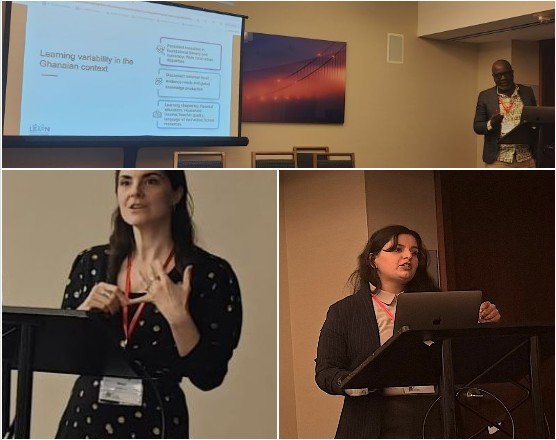
Our second major contribution to CIES focused on the Leverage, Empower, Advance Research Network (LEARN). In collaboration with the Jacobs Foundation and in alignment with their Learning Variability agenda, TIES has partnered with Universidad de los Andes and the University of Cape Coast to bring LEARN to life.
Lindsay Brown, Co-P.I., presented the vision and core tenants behind LEARN, a collaboration between Global TIES for Children, the Jacobs Foundation, Universidad de Los Andes, and University of Cape Coast to build research capacity in early childhood and education and move local scholars to the center of global agenda-setting conversations.
Following the introduction, Priyamvada Tiwari shared how LEARN is being implemented in Colombia, and how demands for local ownership of data, context-specific evidence, and culturally-relevant tools are shaping the research ecosystem.
Christopher Yaw Kwaah,PhD presented the work in Ghana, highlighting how the model adapts while staying grounded in a shared framework.
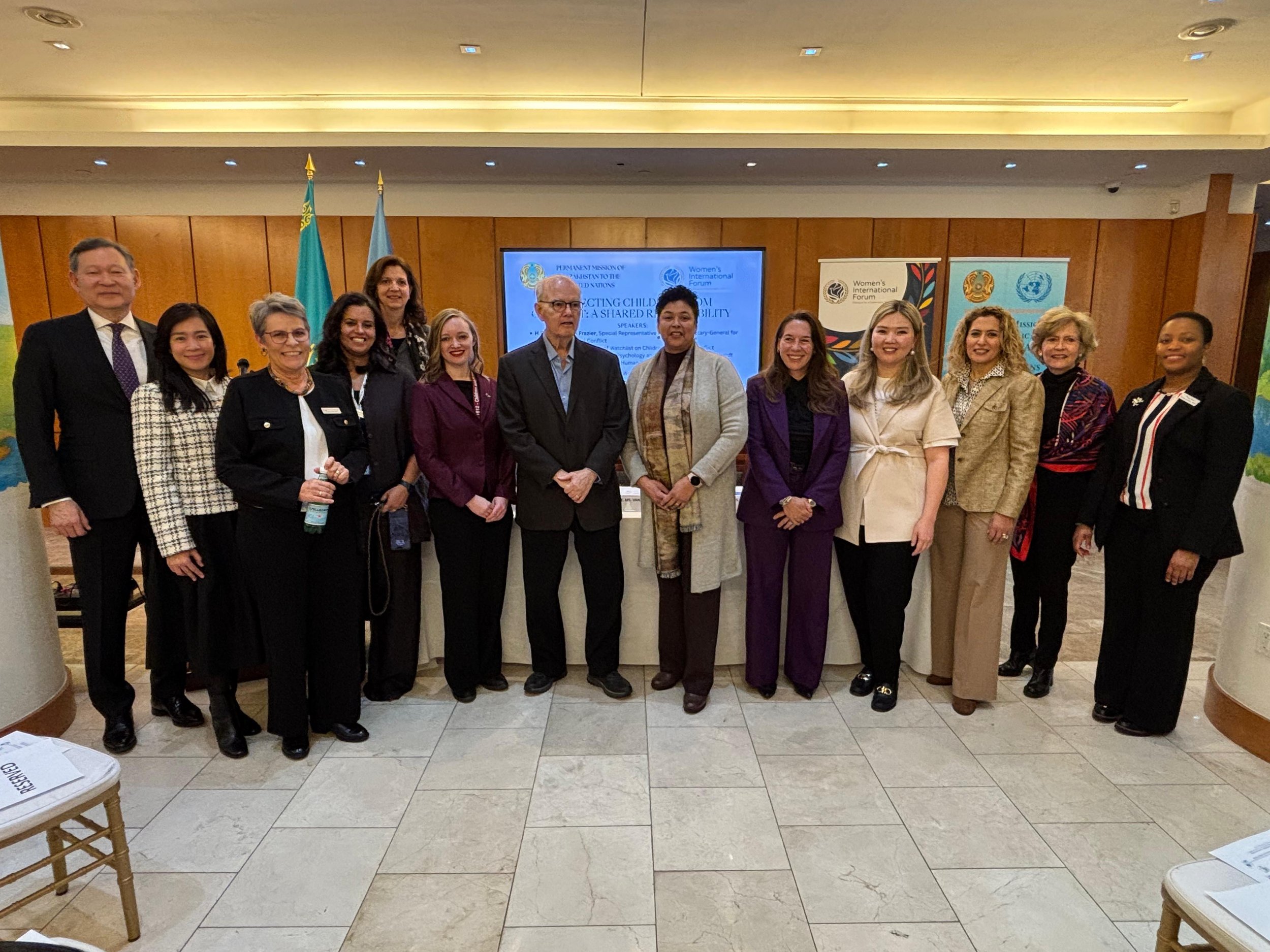
TIES’ Co-Founder Larry Aber spoke at a high-level dialogue: Protecting Children from Conflict: A Shared Responsibility, co-hosted by the Permanent Mission of the Republic of Kazakhstan to the UN and the Women's International Forum (WIF).
The dialogue focused on bridging the gap between political commitments and ground-level efforts to safeguard children from the impacts of conflict. Larry discussed his extensive, years-long research on the long-term impacts of conflict on children and youth. He highlighted the vital importance of family, education, and early childhood development in the recovery process.
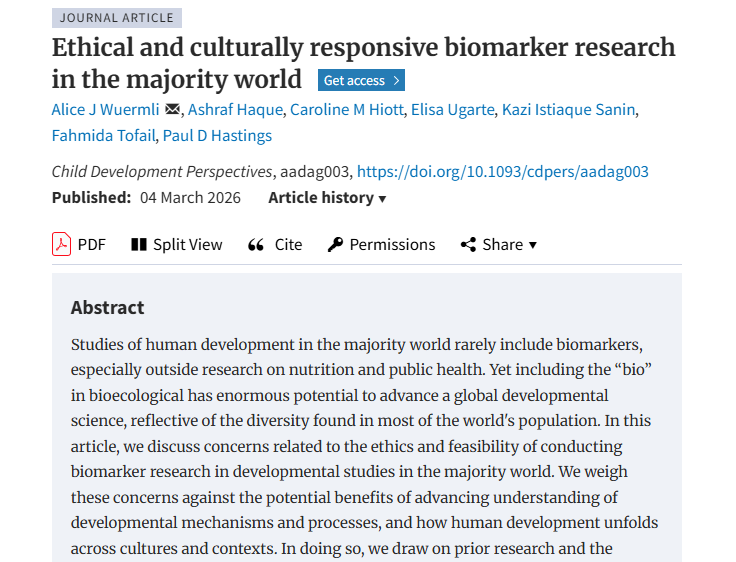
Do biomarkers have a place in human developmental research in the Majority World?
While commonly used in medicine, public health, and nutrition their application in developmental and educational science has remained contested.
In our new paper in Child Development Perspectives, we draw on both our own work and the field’s collective experience to examine the ethical considerations and practical challenges of conducting biomarker research responsibly in low-resource and conflict-affected settings in the Majority World.
We argue that, when implemented thoughtfully, biomarkers can meaningfully complement traditional developmental measures and deepen our understanding of how adversity becomes biologically embedded. The paper offers a roadmap for integrating biomarker data into developmental science while remaining grounded in ethics and cultural context.
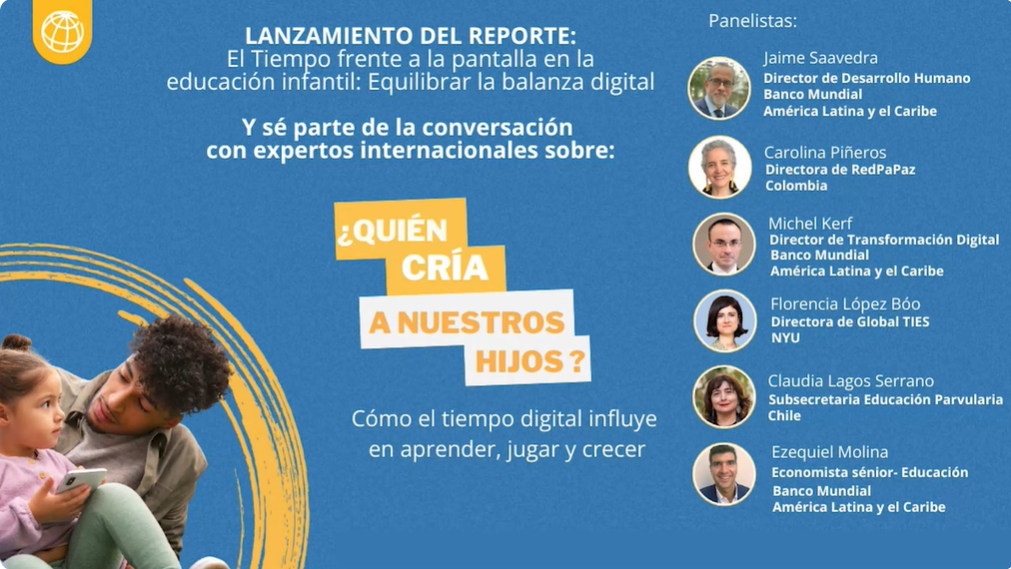
On January 9, 2026, our Director, Florencia Lopez Boo, joined a World Bank panel discussion “Quién cría a nuestros hijos, cómo el tiempo digital influye en aprender, jugar y crecer” as part of their broader initiative on early childhood education and digital environments, aiming to ground public debate and policy decisions in research rather than fear, hype, or one-size-fits-all prescriptions. Florencia Lopez Boo contributed an evidence-based perspective on young children’s learning and development in increasingly digital contexts.
The event convened researchers and policy leaders to examine how digital exposure is reshaping early childhood at home, in education systems, and across broader care environments in Latin America and the Caribbean.
The recording of the webinar “Quién cría a nuestros hijos, cómo el tiempo digital influye en aprender, jugar y crecer,” organized by The World Bank, is now available online.

On February 5, 2026 Florencia Lopez Boo, Director of Global TIES for Children, spoke on a virtual panel convened as an official side event of the 64th Session of the UN Commission for Social Development.
The discussion focused on how integrated social protection and early childhood care and education can better safeguard children’s rights and support more just and resilient societies, particularly in contexts of crisis and displacement. Florencia shared experiences from a collaboration between Global TIES for Children, GHESKIO, and IDB to pilot an adaptation of a remote early learning program for children in Haiti, whose school is often disrupted because of political violence and unrest.
A recent study finds that a father engagement program improves parenting, family relationships, and children's wellbeing in Rohingya camps.